
Role And Significance of Fire Detection and Alarm System During Wartime
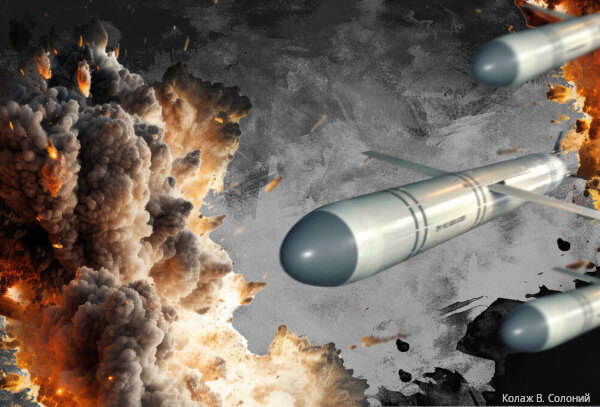
During wartime, a fire detection and alarm system becomes a critical component of civil defense, life preservation, and infrastructure resilience.
Military conflicts drastically increase fire risks due to missile strikes and drone attacks. In this environment, a fire alarm system serves several vital functions:
- Early detection and life safety. Explosions from military strikes often cause immediate, rapidly spreading fires. Automated detectors sense smoke or heat instantly, giving occupants the earliest possible warning to evacuate. In the deafening noise and confusion of an attack, localized visual and audio alarms cut through the chaos to alert people.
- Protection of critical infrastructure, minimization of destruction. Early detection of fire saves important facilities, such as power plants, hospitals, warehouses, and enterprises. An automatic fire suppression system helps to rapidly localize fire and prevent the collapse of building structures damaged by shelling.
- Preventing fire departments from being overwhelmed. During wartime, emergency services are stretched incredibly thin. Early automated detection allows a fire to be caught while it is still small enough to be put out with portable extinguishers, preventing localized hits from evolving into uncontrollable city-wide conflagrations.
In dangerous war conditions, the probability of power outages increases, and this is not only an inconvenience, but also a period of increased fire danger. Sharp voltage surges, high load on the electrical network, and overheating of devices can cause a short circuit and fire in a matter of seconds. That’s why increased requirements are placed on the operation of fire alarm systems.
Features of Fire Alarm System Maintenance During Wartime
During wartime, maintaining a fire alarm system transforms from a routine compliance task into a critical life-saving operation. Disruptions in grid power, dust from explosions, vibrations, and shrapnel damage require standard maintenance protocols to be heavily adapted to extreme conditions.
Here is how fire alarm system maintenance is conducted and adapted during wartime.
1. Battery and Power Supply Audits
Frequent power grid outages (blackouts) caused by strikes on energy infrastructure put immense strain on the system's backup batteries. While batteries normally last 3 to 5 years, continuous charge-discharge cycles during wartime can degrade them in just a few months. Instead of testing batteries twice a year, technicians must use capacity analyzers every month to ensure they hold a charge.
Standard backup systems should be upgraded with higher-capacity batteries to ensure that the system remains online for 24 to 48 hours during prolonged power cuts.
2. Managing Dust and False Alarms
Blast waves from nearby shelling stir up massive amounts of dust and debris, directly impacting detector accuracy. Dust entering the optical chambers of smoke detectors triggers frequent false alarms. This causes panic or, worse, leads people to ignore real alerts.
In such conditions, to prevent false alarms, cleaning, blowing out, and calibration of smoke detectors must be performed much more frequently than standard schedules allow.
3. Vibration Inspections
Constant vibrations loosen terminal screws and mounting brackets, and also sever cabling infrastructure. Technicians must frequently tighten electrical connections, check loop integrity, and regularly test insulation resistance.
Investing in resilient safety infrastructure today is far more than just protecting property; it is a profound commitment to preserving the future, ensuring that every early warning translates into lives saved and community resilience sustained.